
Inner Frontlines: A Police Officer’s Journey with MDMA-Assisted Therapy
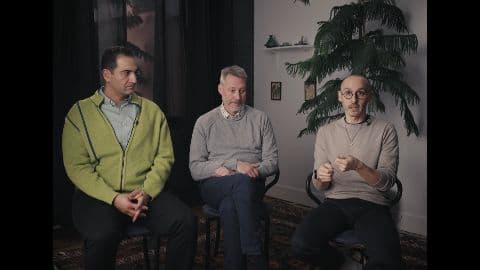
Case Training with Bradley Gagnon, Houman Farzin, and Julien Lacaille
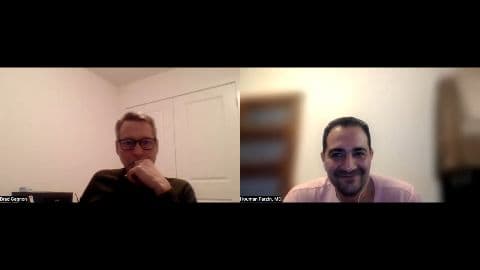
In 2023, Bradley Gagnon became the first person in Quebec to receive legal access to MDMA-assisted therapy through Health Canada’s Special Access Program. A decorated police officer and detective with over two decades of experience, Brad entered treatment carrying the cumulative weight of critical incidents, including two police-involved shootings and years of unresolved trauma. His full course of therapy, conducted by MAPS-trained Dr. Houman Farzin and Dr. Julien Lacaille (with MDMA supplied by PharmAla), now forms the foundation of this training.
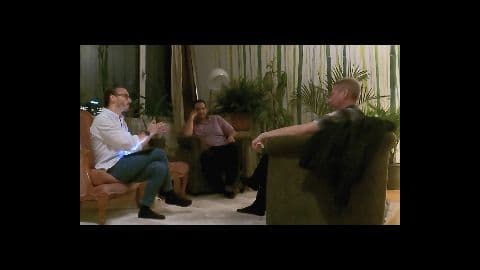
For the first time in the field, this course makes real MDMA-assisted therapy session footage publicly available. Through direct clinical recordings, you are brought inside a complete arc of care, from preparation through dosing and integration, with rare visibility into how this work unfolds in practice.
This foundation is extended through 18-month follow-up reflections from both patient and clinicians, offering a longitudinal view of change, integration, and meaning over time. Dr. Farzin and Dr. Lacaille provide clinical perspective throughout, drawing on their experience in compassionate access pathways and trauma-informed psychotherapy. Their approach emphasizes careful preparation, attuned facilitation, and structured integration, grounded in both medical oversight and experiential depth.
Through integrated Praxis simulations, you will engage directly with clinical decision-making in scenarios shaped by first responder experiences. These interactive sessions are designed to build judgment, timing, and therapeutic presence, with opportunities to practice and receive personalized feedback on how to respond in difficult moments.
Inner Frontlines is Chapter 2 of Sabba’s educational anthology series Multiple Lenses, One Unified Field: Perspectives & Practices of Psychedelic Healing, a collection dedicated to honoring the diversity, nuance, and lived complexity that continue to shape this field.
Meet Your Teachers
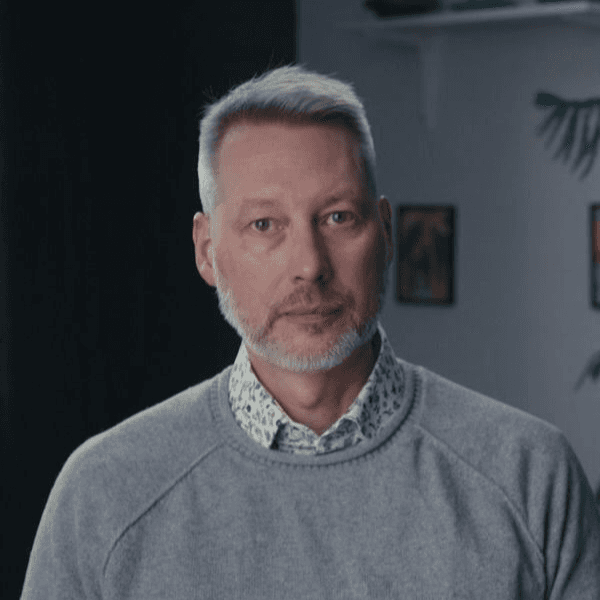
Bradley Gagnon
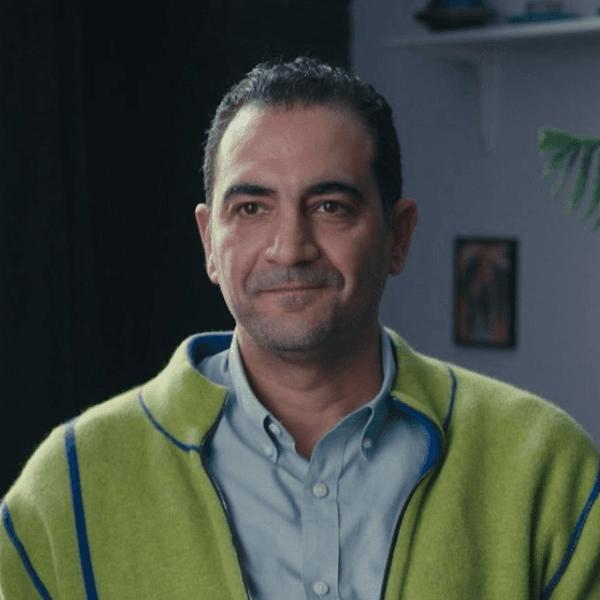
Houman Farzin, M.D., M.Sc.
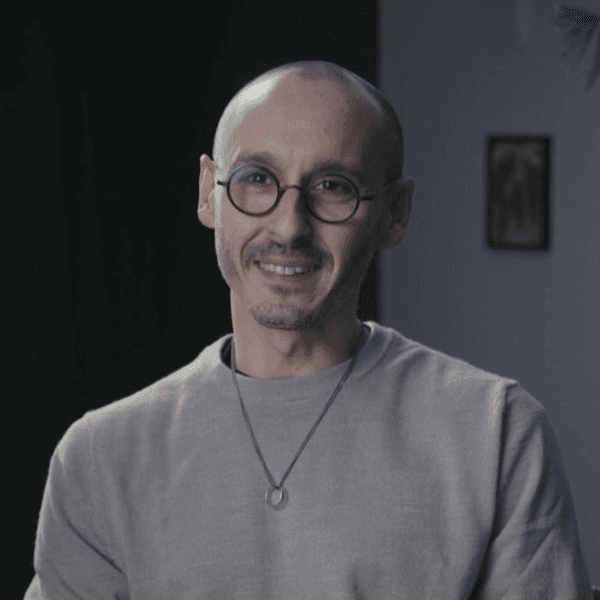
Julien Lacaille, PhD
3:09
Meet Your Teachers & Introduction to the Course
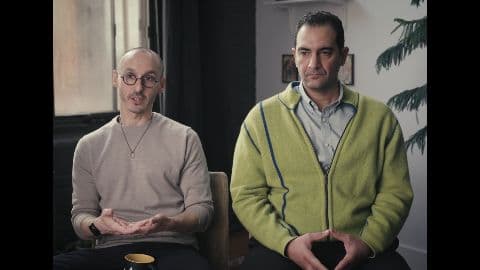
Houman, Julien, and Brad introduce themselves and the Inner Frontlines course.
8:07
Houman's Story
Houman shares about his personal journey into psychedelic-assisted therapy education and practice.
11:24
Julien's Story
Julien shares about his personal journey into psychedelic-assisted therapy education and practice.
25:20
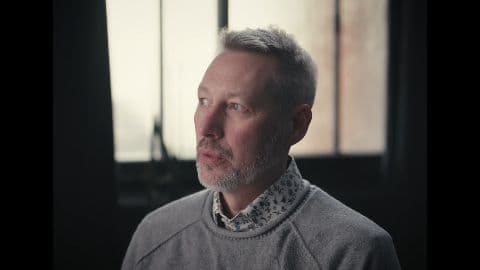
Brad's Story
Brad shares his personal story of the index trauma that led to his diagnosis of Complex PTSD, and the beginning of his journey with MDMA-Assisted Therapy.
Included in this course:
- Clinical Recordings
- •~5 hours of MDMA-assisted therapy sessions with Bradley Gagnon
- •Preparation, dosing, and integration phases
- •Direct observation of therapist-patient dynamics in a complex trauma case
- 18-Month Follow-Up
- •Patient reflections on recovery, identity, and long-term change
- •Clinician perspectives from Dr. Farzin and Dr. Lacaille
- Praxis Simulations
- •4–6 interactive scenarios based on MDMA-assisted therapy
- •First responder patient personas
- •Practice in therapeutic decision-making, timing, and stance
2:23
MDMA-Assisted Therapy for PTSD
5:31
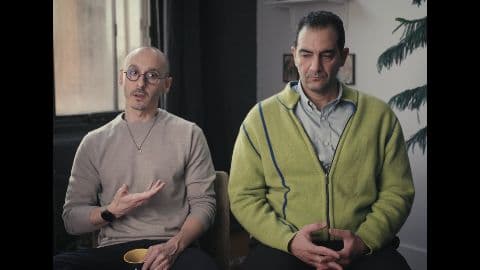
Therapeutic Protocol for the Health Canada Special Access Program
6:25
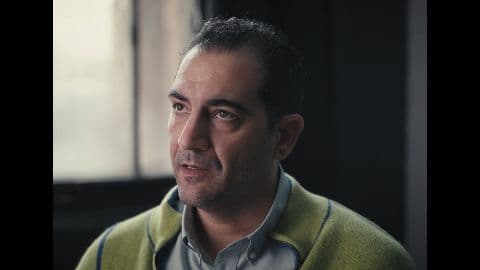
Assessing Knowledge, Addressing Stigma
7:20
Assessing Social Support & Safety Net
1:54
Preparing for Integration: Informed Aftercare
11:10
Session: Addressing Apprehensions & Preparing for Mindset Changes
4:14
Session: Identifying Emotional Triggers in Current Life Context
4:13
Session: Exploring Emotional Vulnerabilities Related to Life Structure and Support
4:02
Session: Assessing Family History, Social Support, & Safety Net
3:06
Session: Providing Psychedelic Education Pt. 1
15:35
Session: Providing Psychedelic Education Pt. 2
7:33
Key Concepts & Practices
9:50
Building, Modeling & Reclaiming Trust
7:33
Session: Emotional Vulnerability & Supportive Approach
15:32
Session: Embodiment Offerings
5:23
Session: Introducing Key Concepts: Resourcing and Processing
18:09
Session: Releasing Expectations and Trust
4:48
Session: Introducing Key Concepts: The Inner Healer
4:33
Session: Introducing Key Concepts: Therapeutic Touch
2:19
Session: Building & Modeling Trust
5:42
Session: Logistical Planning
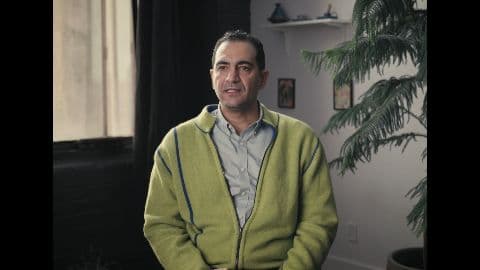
5:56
Creating A Safe Container Pt. 1: Music & Culturally-Informed Practices
12:29
Creating A Safe Container Pt. 2: Ritual & Embodiment Practices & Offerings
5:17
Therapeutic Presence & Mindfulness
11:07
Session: Establishing Comfort and Intentions
15:32
Session: Embodiment Offerings
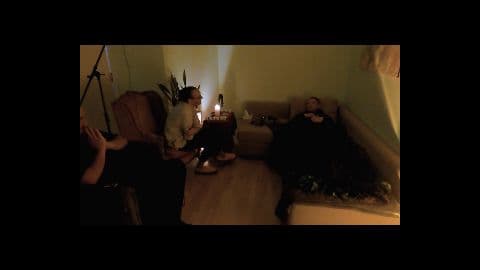
6:11
Session: Embracing Non-Resistance & Trust
6:32
Session: Supporting Mindful Awareness & Curiosity

Simulation
Safe Container
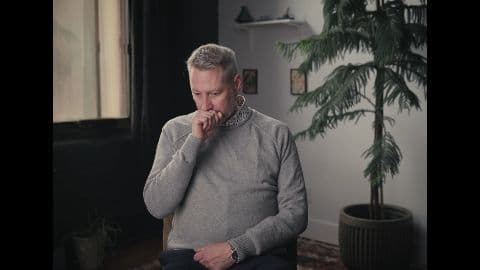
9:26
Repressed Trauma, PTSD, & Developmental Trauma
11:44
Working with Transference: The Role of Parts Work & Therapeutic Touch
11:00
Trauma & The Mind-Body Disconnect
9:11
Session: Somatic Awareness and Confronting Trauma
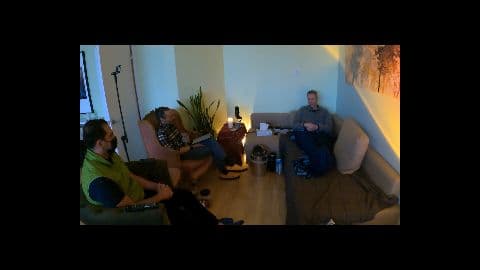
26:55
Session: Deepening Self-Reflection & Emotional Processing
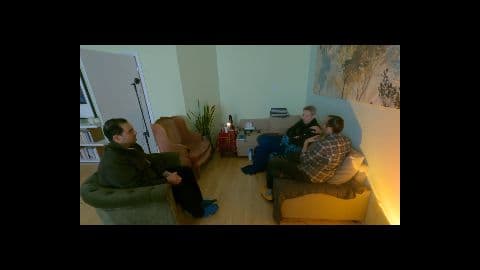
53:19
Session: Therapeutic Touch & Parts Work
20:57
Session: Integration and Wholeness
6:53
Directive & Non-Directive Approaches
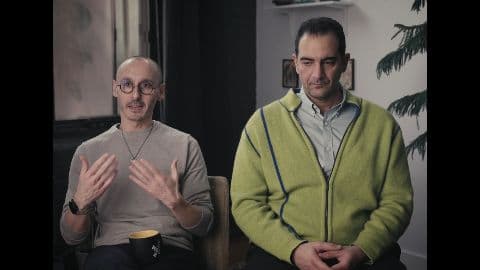
9:11
Countertransference, Rupture & Repair
17:51
Session: Welcoming Sensations & Emotions
5:14
Session: Reflecting on Past Coping Mechanisms
7:33
Session: Emotional Vulnerability & Supportive Approach
5:49
Session: Strengthening Self-Compassion
Simulation
Directive & Non-Directive Approaches
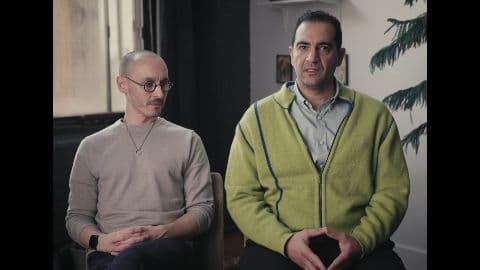
5:47
Protocol Flexibility & Aftercare
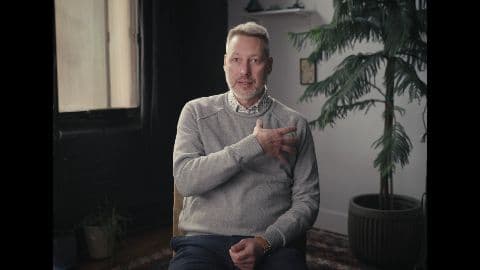
8:09
Armored States: Considerations for First Responders Pt. 1
5:51
Unarmored States: Considerations for First Responders Pt. 2
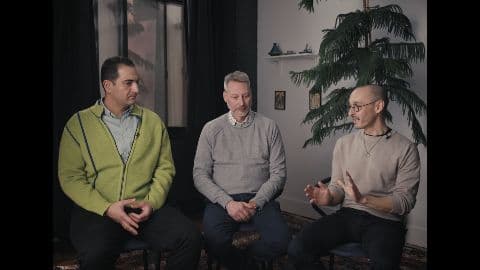
6:55
Working with Significant Change
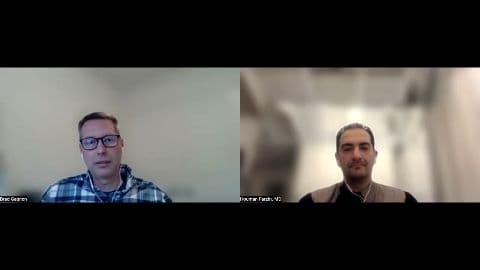
86:36
Session: Virtual Integration I
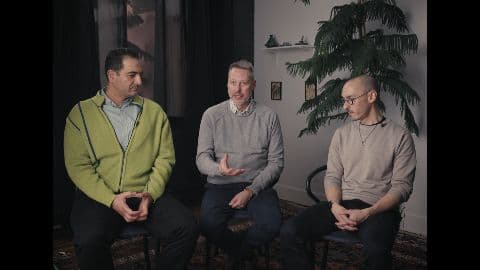
8:24
Creative Self-Expression & Being of Service
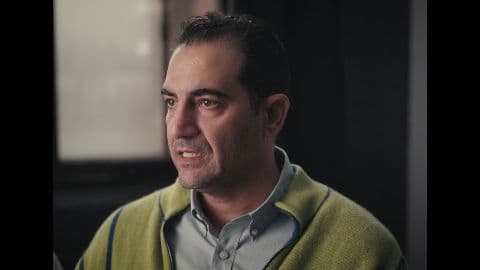
7:25
Informed Peer Support & Lived Experience
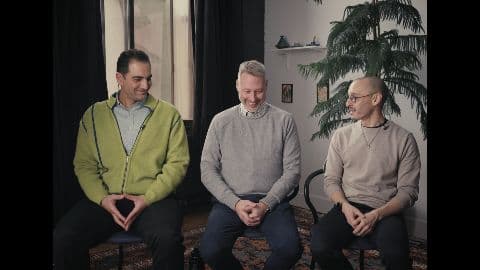
7:06
Building Resilient Communities for Healing
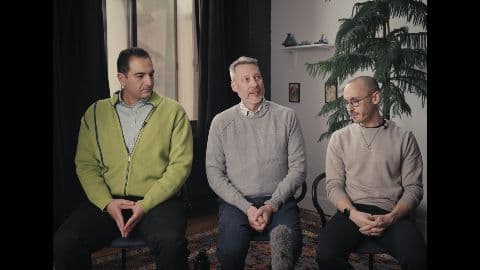
13:21
Nonlinear Healing
81:01
Session: Virtual Integration II
The videos in this series are for educational and training purposes only. They are designed to briefly illustrate selected concepts and interactions in psychedelic-assisted therapy, as understood within a specific clinical paradigm of psilocybin-assisted therapy, and do not offer a comprehensive or definitive account of practice, nor do they capture the full range of experiences that may arise. The approaches and responses depicted reflect the personal experience and professional judgment of the practitioners involved. They represent just one of many possible ways to engage with the complex realities of psychedelic care and are intended to invite critical reflection, dialogue, and ongoing learning within our shared field.